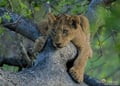
Kruger National Park
Located in the northeast of South Africa, the Kruger National Park spans nearly 20,000 square kilometers - larger than countries like Israel or Slovenia! It's home to all of the Big Five, over 500 bird species, 140 mammals, and countless reptiles and plant species. With excellent roads, multiple entry gates, and accommodation ranging from rustic camps to luxurious lodges, Kruger is perfect for self-drive safaris, guided game drives, or even bush walks - offering something for every type of wildlife enthusiast.

Best Time to Visit Kruger
Kruger National Park safaris shine in the dry months from May to September when the bush thins out, temperatures are cooler, and animals cluster at rivers and waterholes. Summer (October to March) brings lush vegetation, dramatic skies, and newborn wildlife, but also humidity and seasonal malaria risk. If you want fewer crowds, aim for midweek visits outside school holidays and focus on the southern and central regions at sunrise and sunset. Night drives and early morning walks are great for spotting nocturnal species and predators on the move.
Getting to Kruger National Park
From Johannesburg by Road
Driving from Johannesburg to Kruger takes roughly four to five hours depending on the entry gate. For the quickest access, use the N12/N4 to reach Numbi, Phabeni, Malelane, or Crocodile Bridge. If you are heading to central or northern Kruger, budget extra time for Orpen, Phalaborwa, or Punda Maria gates.
By Air
Flights into Skukuza or Hoedspruit cut travel time and connect easily to nearby camps. Check gate times before you depart so you arrive with enough daylight to clear entry formalities and reach your camp.
Exploring the Park
Self-Drive Safaris
Kruger is built for self-drive safaris with a mix of smooth tar and well-graded gravel. Plan a loop combining the Sabie River roads for leopard and birds, the Satara grasslands for cheetah, and the Olifants area for elephants and views. Carry water, keep to the 50 km/h tar and 40 km/h gravel limits, and factor in gate closing times.
Recommended Routes
- Southern Region: Best for first-time visitors with high game density
- Central Region: Famous for lion and cheetah sightings
- Northern Region: More remote with rugged landscapes and fewer visitors
Guided Activities
- Morning and sunset game drives
- Bush walks with armed rangers
- Night drives for nocturnal wildlife
- Birdwatching excursions
Wildlife Viewing Tips
- Early mornings and late afternoons are best for game viewing
- Waterholes attract animals, especially in dry season
- Be patient and use binoculars for distant sightings
- Keep noise to a minimum for better wildlife encounters
Planning Your Visit
- Book accommodation well in advance, especially during school holidays
- Pack for all weather conditions
- Bring binoculars, camera, and field guides
- Download offline maps before entering the park
Park Rules & Regulations
General Rules
- 🚗 Speed limit: 50 km/h on tar roads and 40 km/h on gravel roads
- 🦁 Stay in your vehicle at all times except in designated areas
- 🍌 Do not feed any wildlife
- 🛑 Stay on designated roads only
- 🔫 Declare all firearms at the entrance
- 🏍️ No motorbikes or bicycles allowed
- 🌿 Respect nature - no removal of plants, rocks, or animals
- 🐕 No pets permitted
- 🗑️ No littering - use designated bins
Health & Safety
- 💉 Malaria precautions recommended (September-May)
- ⛽ Fuel available at major rest camps
- 📵 Limited mobile signal in remote areas
- 🕒 Strict gate times apply - check current times
Entry Requirements
- 🧾 Valid passport or ID required
- 🪪 Valid driver's license needed for driving
- 📷 Respect photography etiquette
- 💳 Conservation fees apply (Wild Card accepted)