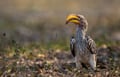
Serengeti National Park
Serengeti anchors the greater Serengeti–Mara ecosystem shared by Tanzania and Kenya. Endless grasslands carry the Great Migration of wildebeest and zebra, shadowed by lions, leopards, and cheetahs. Even when the crossings pause, the resident predators, raptors, and big skies keep game drives packed from Seronera to the Mara River.
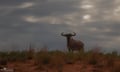
Why the Serengeti stands out
Few parks match Serengeti for space and predator density. Koppies give lions vantage points, open plains suit cheetahs, and hyenas and vultures sweep up behind the herds. Wildlife flows straight into Kenya’s Maasai Mara, so you can follow the same Migration from two countries without fences.
Great Migration timing
Calving runs December–March on the southern plains and Ndutu, drawing predators. April–May shifts the herds west toward the Grumeti, and June–October pushes them north toward Kogatende and the Mara River. Shoulder months blur the lines, so mobile camps or flexible routes keep you close.
Routes and access
Flights from Arusha and Kilimanjaro reach Seronera, Kogatende, and the western corridor. Overland trips often pair Serengeti with Ngorongoro and Tarangire, or cross into the Mara via Isebania. Tracks can flip to 4x4-only after storms and off-road driving is banned—carry water, recovery gear, and offline maps for the long gravel runs between valleys and kopjes.