Mount Kilimanjaro National Park
Mount Kilimanjaro National Park protects the forests, moorlands, and open plains around Africa’s highest mountain. Even if you never set foot on the summit trail, you can watch elephants, forest buffalo, and giraffe move through the West Kilimanjaro corridor, listen for black-and-white colobus in the canopy, and pick out blue monkeys and bushbuck along the forest edge. Turacos, hornbills, sunbirds, and woodland kingfishers add color below the snow-capped peak.
Why to visit
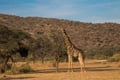
Farmland, forest, and savanna overlap on the lower slopes, pulling elephants, giraffe, buffalo, zebra, bushbuck, and shy dik-dik. Predators keep a low profile but leave tracks on the roads, and birding is superb—Hartlaub’s turaco flashes through fig trees while hornbills patrol the canopy. Clear mornings often frame herds with the summit behind them.
Key habitats and species
Montane forest shelters colobus and blue monkeys, bush pigs, and bushbuck. Heath and moorland open up views for raptors riding thermals. The West Kilimanjaro corridor links to Amboseli and Arusha, drawing elephants and plains game across open grasslands.
Best time for sightings
June–October brings drier tracks, shorter grass, and bright mountain views. November–March turns the slopes lush with migrants and dramatic cloud build-ups around the summit—ideal for birders and photographers who don’t mind showers.
How to visit
Base in Moshi or West Kilimanjaro conservancies and take guided day drives into the corridor and forest edges. Off-road driving and night drives are restricted inside the park, so go with licensed guides who know the current wildlife routes. Pair Kilimanjaro with Amboseli or Arusha for varied habitats and dependable elephant sightings. Pack binoculars, a light jacket for early starts, and a wide lens for framing herds against the peak.